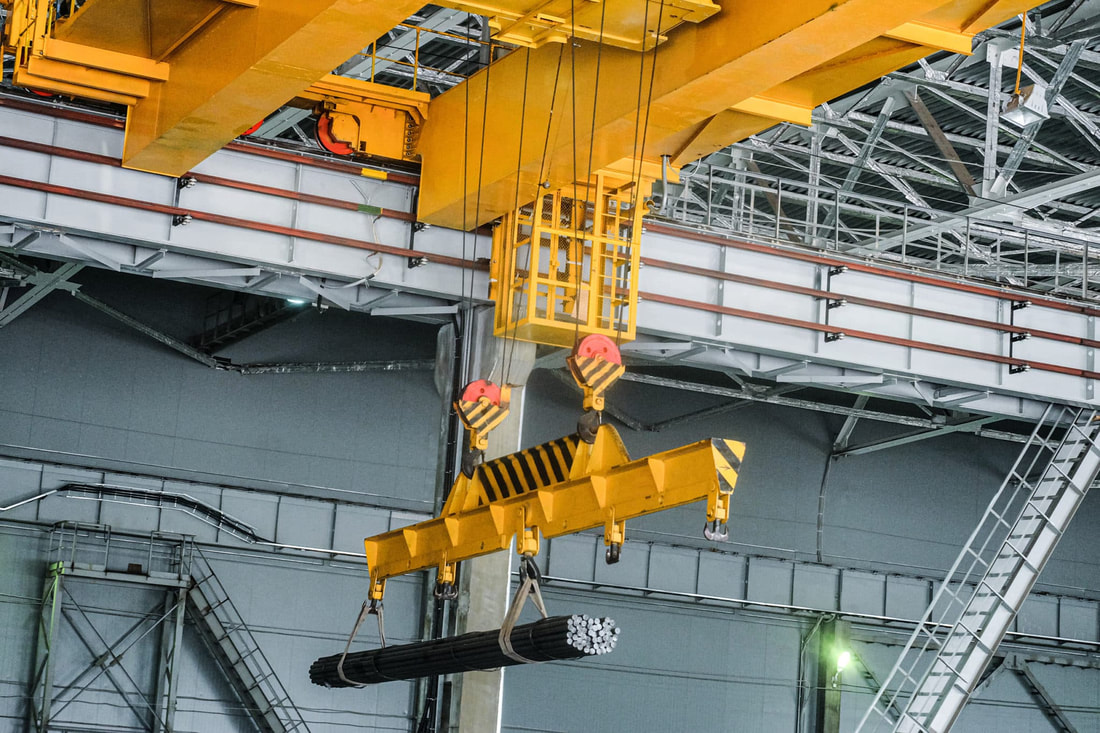
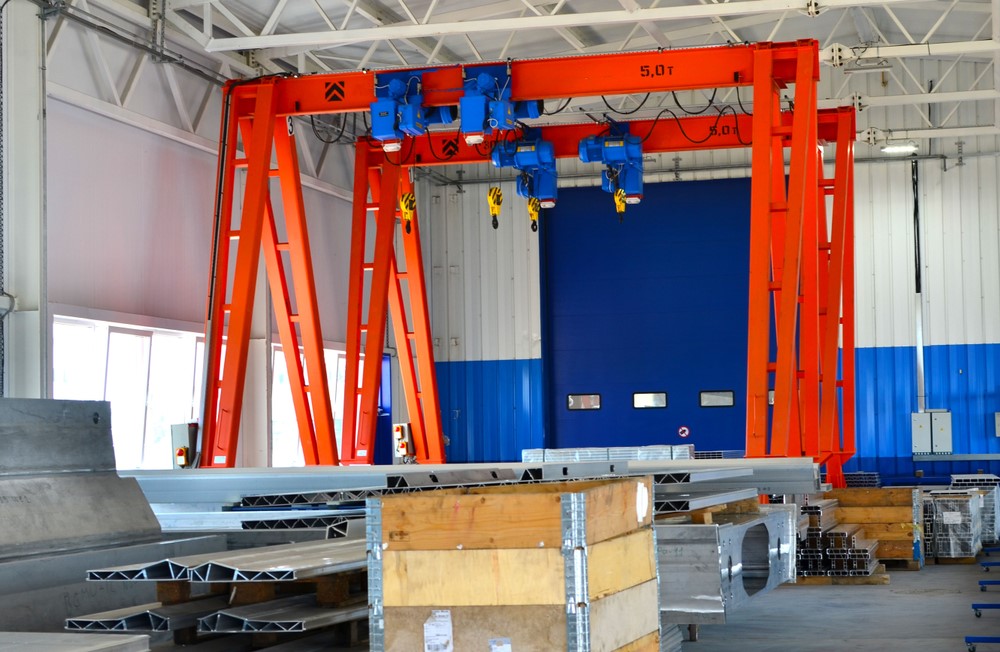
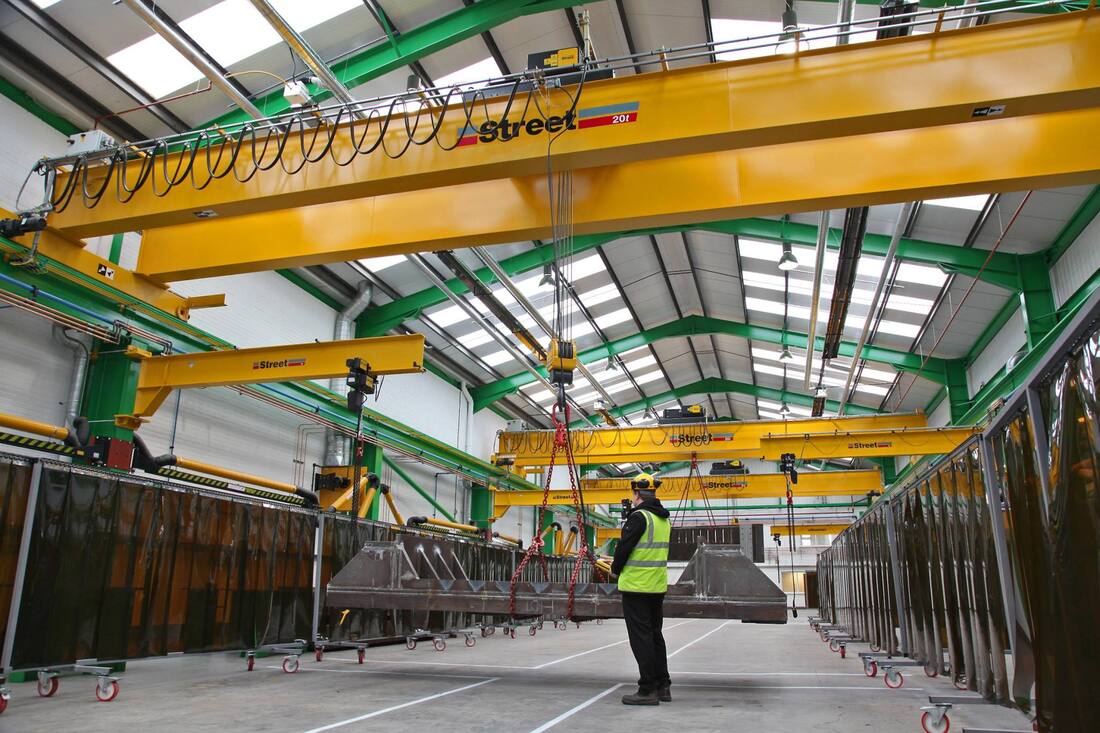
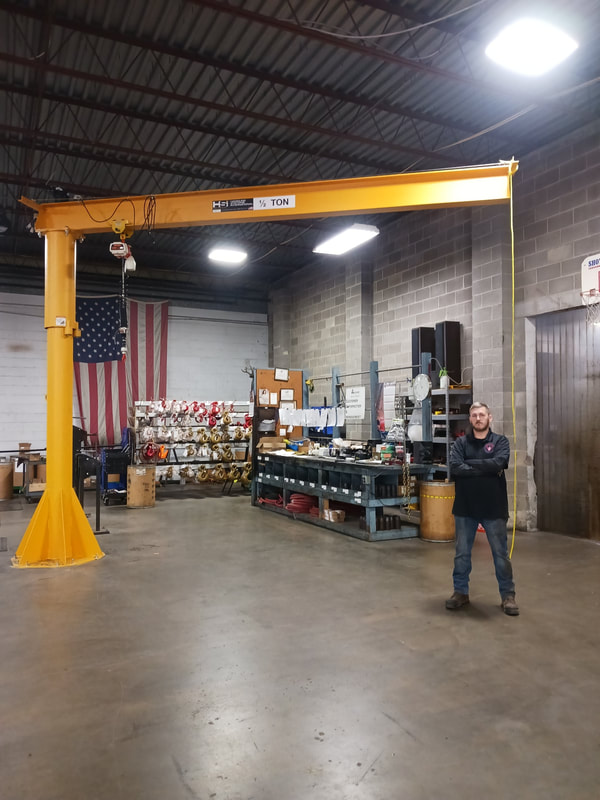
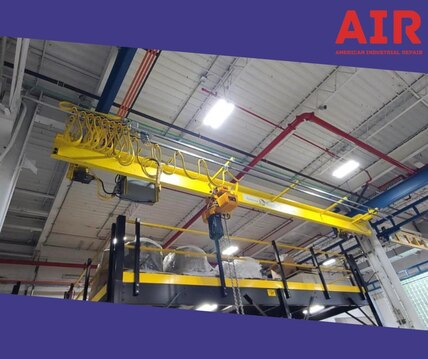
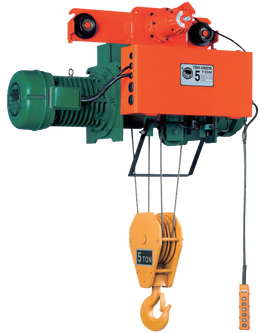
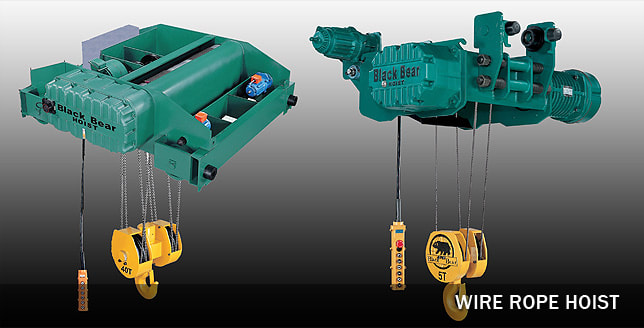
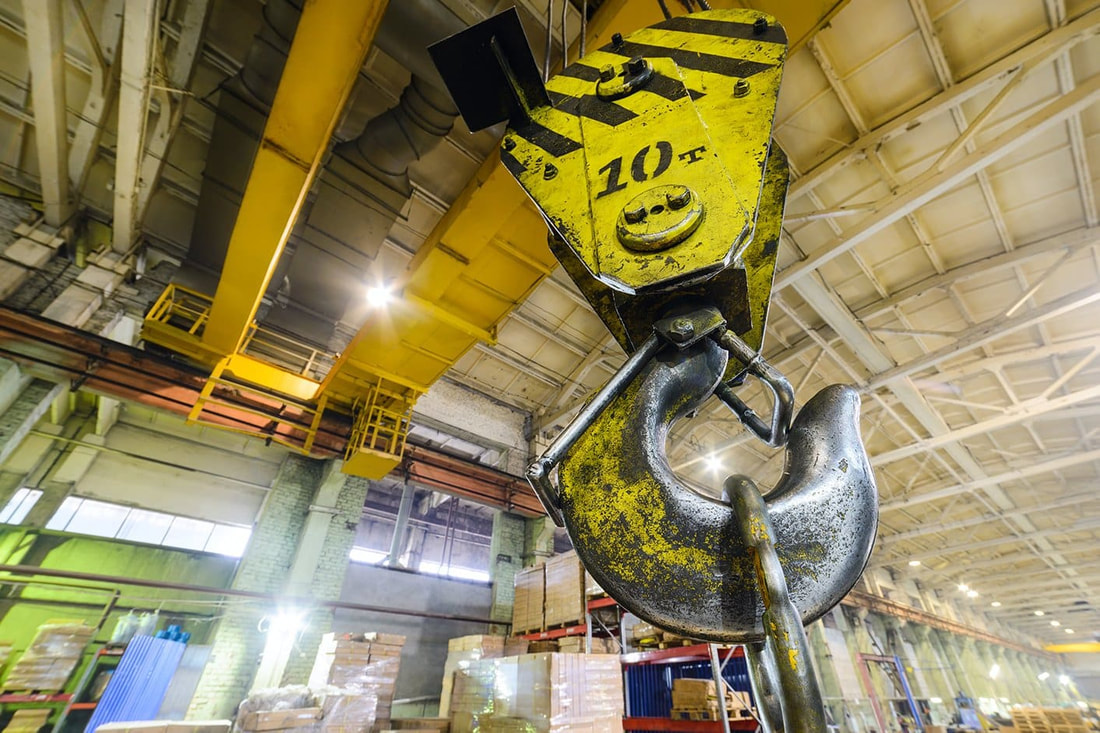
Overhead cranes and hoists are essential tools in many industrial operations, providing the heavy lifting needed to move large objects safely and efficiently. However, without stringent safety measures, these powerful machines can pose significant risks. Ensuring the safety of these operations through regular inspections and comprehensive employee training is paramount.
The Sobering Statistics
According to the Bureau of Labor Statistics, crane-related incidents resulted in an average of 42 fatalities annually between 2011 and 2017. Many of these tragedies were preventable with proper safety protocols in place. Electrical hazards, overloading, and falling materials are among the leading causes of these accidents. For example, contact with live power lines remains a prevalent hazard, often leading to severe injuries or fatalities due to electric shock or burns.
The Role of Safety Inspections
Regular safety inspections, as outlined in OSHA 1910.179, are crucial in identifying and mitigating potential hazards before they lead to accidents. These inspections cover all aspects of crane operation, from load capacity checks to the condition of wire ropes and electrical systems. Implementing a rigorous pre-operation inspection checklist can help ensure that all components are in proper working order and that the work environment is safe.
American Industrial Repair, a veteran-founded and family-owned company with over 40 years of experience, emphasizes the importance of these inspections. With their 24/7 service and repair capabilities, they help businesses comply with OSHA regulations, ensuring that cranes and hoists are not just operational but also safe.
Importance of Employee Training
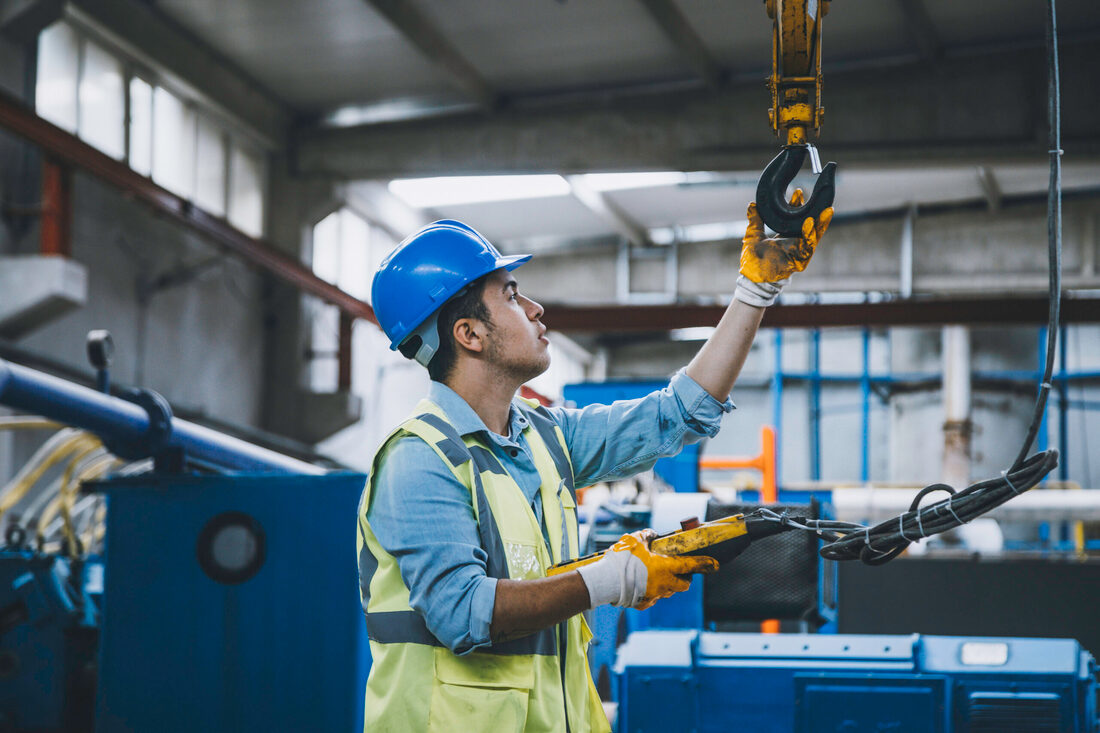
While equipment inspections are critical, they must be complemented by thorough employee training. Workers need to be knowledgeable about the risks associated with crane operations and how to avoid them. Training programs should cover the proper use of personal protective equipment (PPE), the importance of load management, and effective communication techniques such as standardized hand signals.
Training should also include emergency response procedures. Employees must know how to react in case of an accident, including how to safely evacuate and whom to contact. Regular drills and refresher courses can help keep these procedures fresh in workers' minds, reducing the likelihood of panic and improving the chances of a safe resolution during an actual emergency.
Preventative Measures and Best Practices
Preventive measures are key to maintaining a safe working environment. Here are some best practices for overhead crane and hoist safety:
American Industrial Repair's Commitment to Safety
American Industrial Repair has been a trusted name in the industry for over 25 years, providing essential services to the Cincinnati Metro area and beyond. Their expertise in OSHA 1910.179 inspections and dedication to employee training make them a vital partner for businesses looking to improve their crane and hoist safety protocols. By offering 24/7 service and a commitment to thorough, professional inspections, they help minimize the risks associated with crane operations, protecting both workers and businesses.
In conclusion, the importance of overhead crane and hoist safety cannot be overstated. Regular inspections and comprehensive employee training are not just regulatory requirements; they are essential practices that save lives and prevent injuries. Companies like American Industrial Repair play a crucial role in ensuring these safety measures are effectively implemented, fostering safer industrial environments across the regions they serve
According to the Bureau of Labor Statistics, crane-related incidents resulted in an average of 42 fatalities annually between 2011 and 2017. Many of these tragedies were preventable with proper safety protocols in place. Electrical hazards, overloading, and falling materials are among the leading causes of these accidents. For example, contact with live power lines remains a prevalent hazard, often leading to severe injuries or fatalities due to electric shock or burns.
The Role of Safety Inspections
Regular safety inspections, as outlined in OSHA 1910.179, are crucial in identifying and mitigating potential hazards before they lead to accidents. These inspections cover all aspects of crane operation, from load capacity checks to the condition of wire ropes and electrical systems. Implementing a rigorous pre-operation inspection checklist can help ensure that all components are in proper working order and that the work environment is safe.
American Industrial Repair, a veteran-founded and family-owned company with over 40 years of experience, emphasizes the importance of these inspections. With their 24/7 service and repair capabilities, they help businesses comply with OSHA regulations, ensuring that cranes and hoists are not just operational but also safe.
Importance of Employee Training
While equipment inspections are critical, they must be complemented by thorough employee training. Workers need to be knowledgeable about the risks associated with crane operations and how to avoid them. Training programs should cover the proper use of personal protective equipment (PPE), the importance of load management, and effective communication techniques such as standardized hand signals.
Training should also include emergency response procedures. Employees must know how to react in case of an accident, including how to safely evacuate and whom to contact. Regular drills and refresher courses can help keep these procedures fresh in workers' minds, reducing the likelihood of panic and improving the chances of a safe resolution during an actual emergency.
Preventative Measures and Best Practices
Preventive measures are key to maintaining a safe working environment. Here are some best practices for overhead crane and hoist safety:
- Load Management: Always ensure loads are properly balanced and within the crane's capacity. Overloading can lead to structural failures and catastrophic accidents.
- Electrical Safety: Maintain a safe distance from power lines, and use non-conductive taglines to stabilize loads. Spotters should be present to alert operators if they are too close to power lines.
- Regular Maintenance: Conduct routine maintenance checks to ensure all parts of the crane are in good working order. This includes inspecting wire ropes, chains, and electrical systems for any signs of wear or damage.
- Clear Communication: Use agreed-upon hand signals and communication devices to coordinate movements between the crane operator and ground personnel. Miscommunication can lead to serious accidents, especially in noisy environments.
- Use of PPE: Ensure all workers are equipped with appropriate PPE such as helmets, gloves, and safety boots. PPE can significantly reduce the severity of injuries if an accident occurs.
American Industrial Repair's Commitment to Safety
American Industrial Repair has been a trusted name in the industry for over 25 years, providing essential services to the Cincinnati Metro area and beyond. Their expertise in OSHA 1910.179 inspections and dedication to employee training make them a vital partner for businesses looking to improve their crane and hoist safety protocols. By offering 24/7 service and a commitment to thorough, professional inspections, they help minimize the risks associated with crane operations, protecting both workers and businesses.
In conclusion, the importance of overhead crane and hoist safety cannot be overstated. Regular inspections and comprehensive employee training are not just regulatory requirements; they are essential practices that save lives and prevent injuries. Companies like American Industrial Repair play a crucial role in ensuring these safety measures are effectively implemented, fostering safer industrial environments across the regions they serve